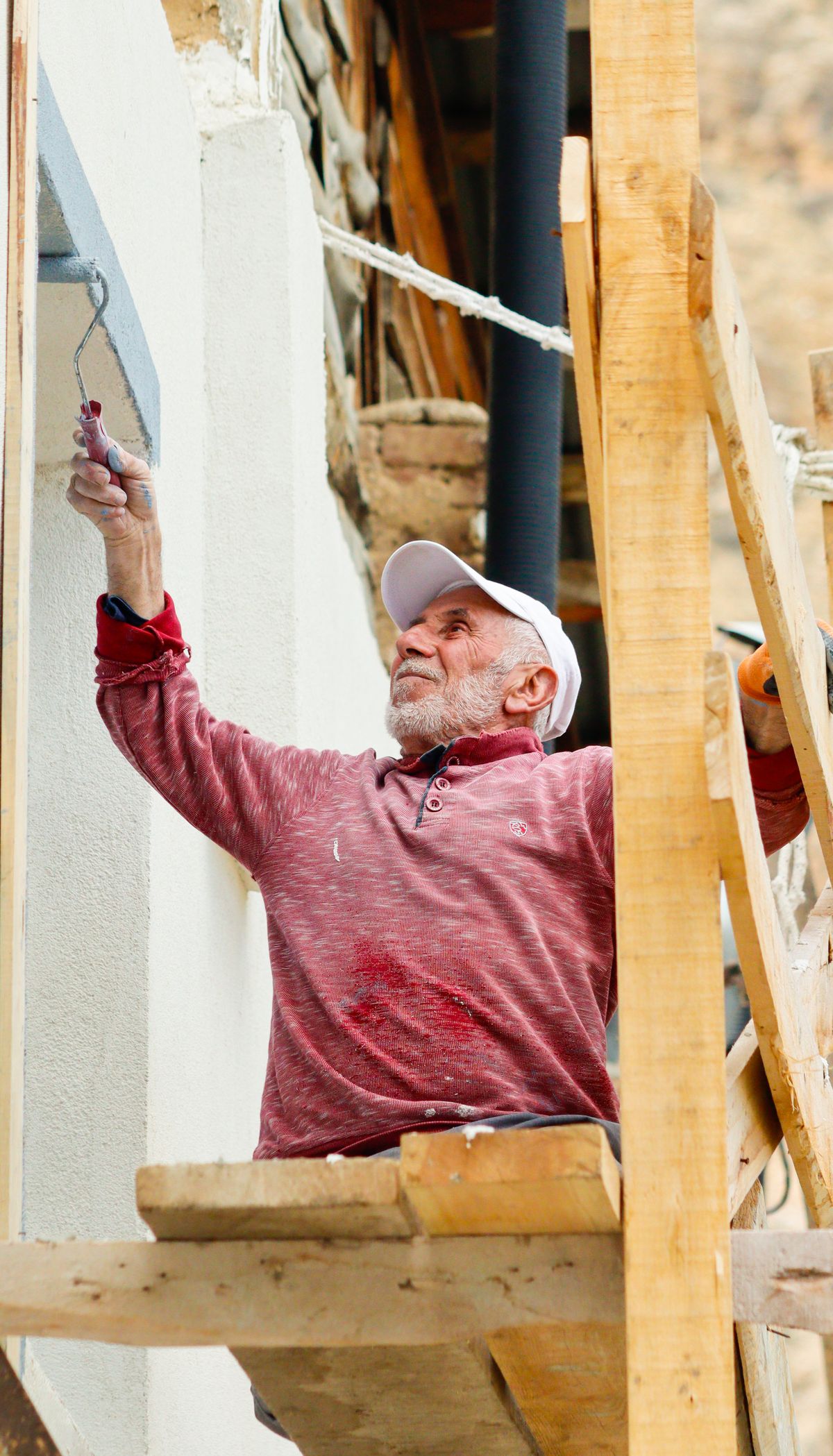
House Painters in Denver, CO
[FREE WRITTEN ESTIMATE — CONFIRM WORDING WITH OWNER]What we paint
Exteriors, interiors, and HOA buildings across Denver and the surrounding metro. Nobody quotes a number until somebody has walked the surfaces and written down what they found.
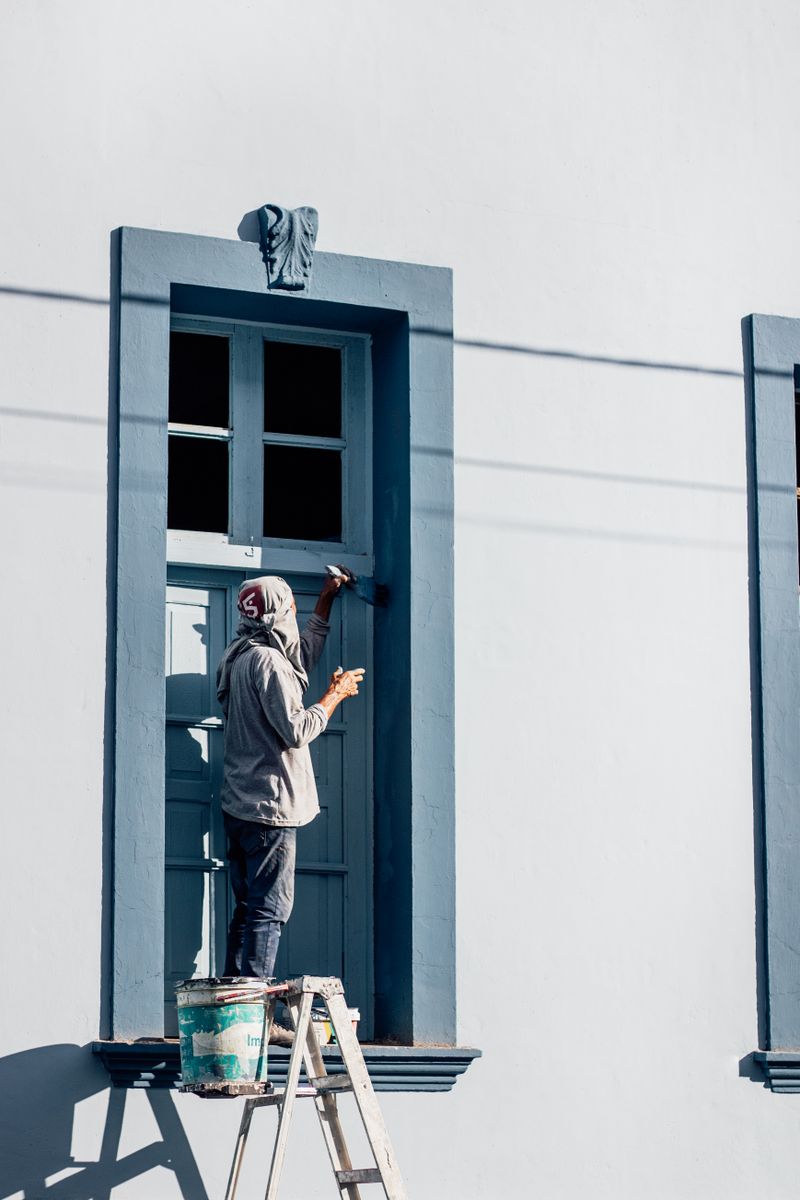
Exterior house painting
[FROM $X — CONFIRM WITH OWNER]Wash, scrape back to sound material, prime the bare spots, re-caulk every joint, then two coats of a UV-stable exterior product. The caulk is the part nobody sees and the first thing to fail up here — sun-baked joints are behind more callbacks than the paint film is.
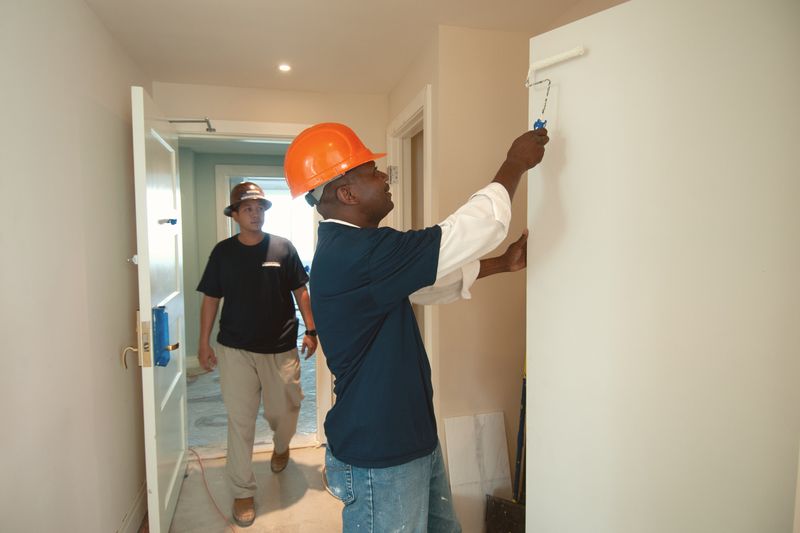
Interior painting
[FROM $X — CONFIRM WITH OWNER]Walls, ceilings, trim, and doors, with everything masked and floors covered before a lid comes off. We fill and sand the dings first — rolling over a nail pop just gives you a shinier nail pop.
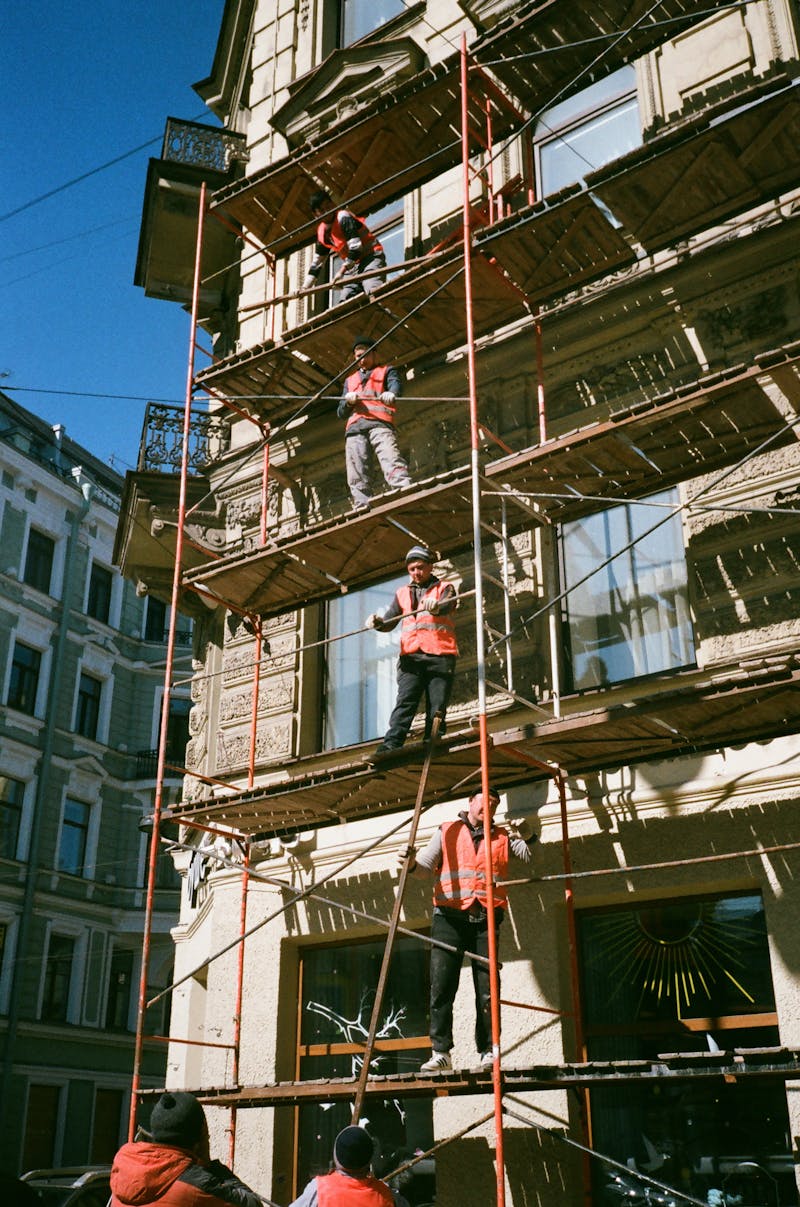
HOA & multi-unit exteriors
[FROM $X — CONFIRM WITH OWNER]Townhome blocks, condo buildings, and common-area trim, phased so residents keep their parking and their patios. Boards get a per-building scope and a schedule they can post, not one lump number.
Cabinet painting & refinishing
Doors come off, get degreased, sanded, and sprayed, and go back on labelled — not brushed in place.
Deck & fence staining
Stripped or brightened first depending on what's already on it, then a penetrating stain that can be recoated later.
Stucco patching & repaint
Hairline cracks filled and textured to match before coating, because paint alone bridges a crack for about one winter.
Popcorn ceilings & drywall repair
Scraped, skimmed flat, and finished — and on a pre-1978 ceiling it gets tested before anything gets scraped.
Outside or inside first?
Most people call about one and end up doing the other first, and there's a right order to it. Guessing wrong costs you nothing — we'll tell you which one is actually urgent when we look.
Choose exterior if
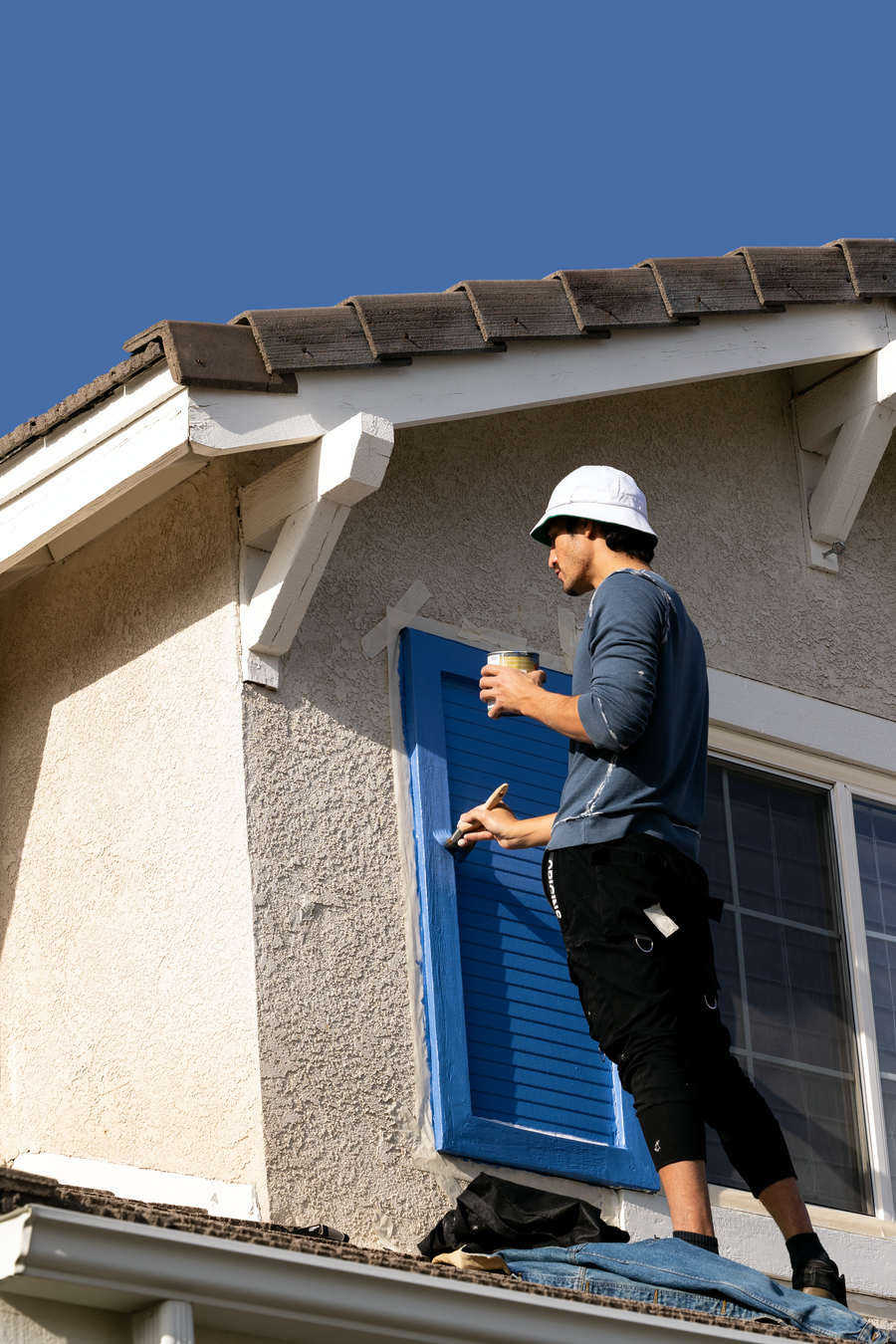
Wash, prep, seal, two coats. Three to five working days on a typical single-family house, weather permitting.
Choose interior if
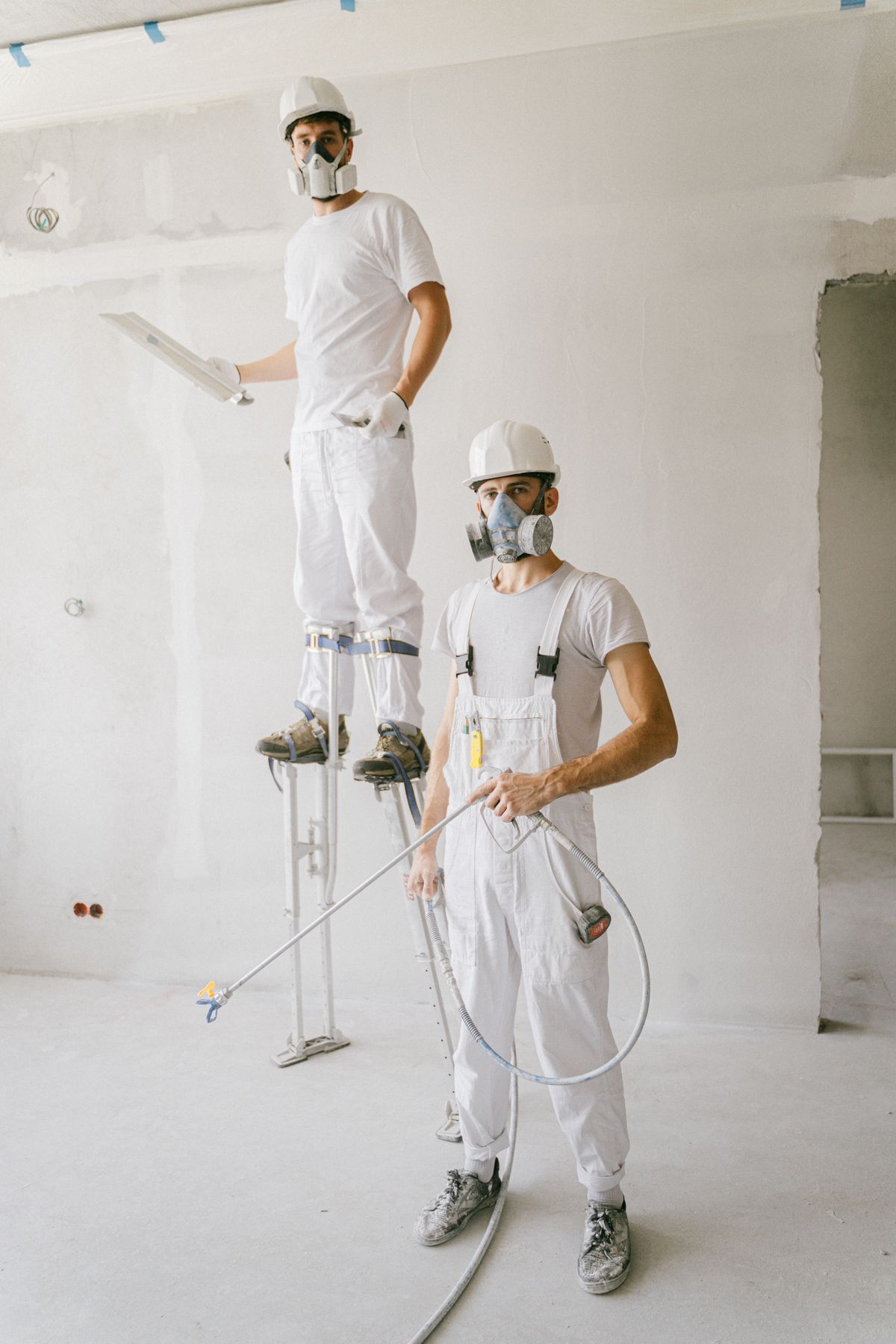
Masked, patched, cut, and rolled. Usually a room or two a day, and the house stays livable.
Three steps, no surprises
Text a photo or call
Send the address and a picture of the wall or room you're worried about. You get a reply with a walkthrough time, not a voicemail box.
We walk it and write it down
Every elevation gets looked at — siding, trim, caulk joints, stucco cracks, bare wood. You get the prep, the product by name, the coat count, and the price in writing before anything starts.
We paint it and hand it back clean
Plants covered, hardware off or masked, chips and dust collected daily. Last thing we do is walk it with you and fix anything you point at before the ladders go on the truck.
Two quotes, same house, half the price. Here's the difference
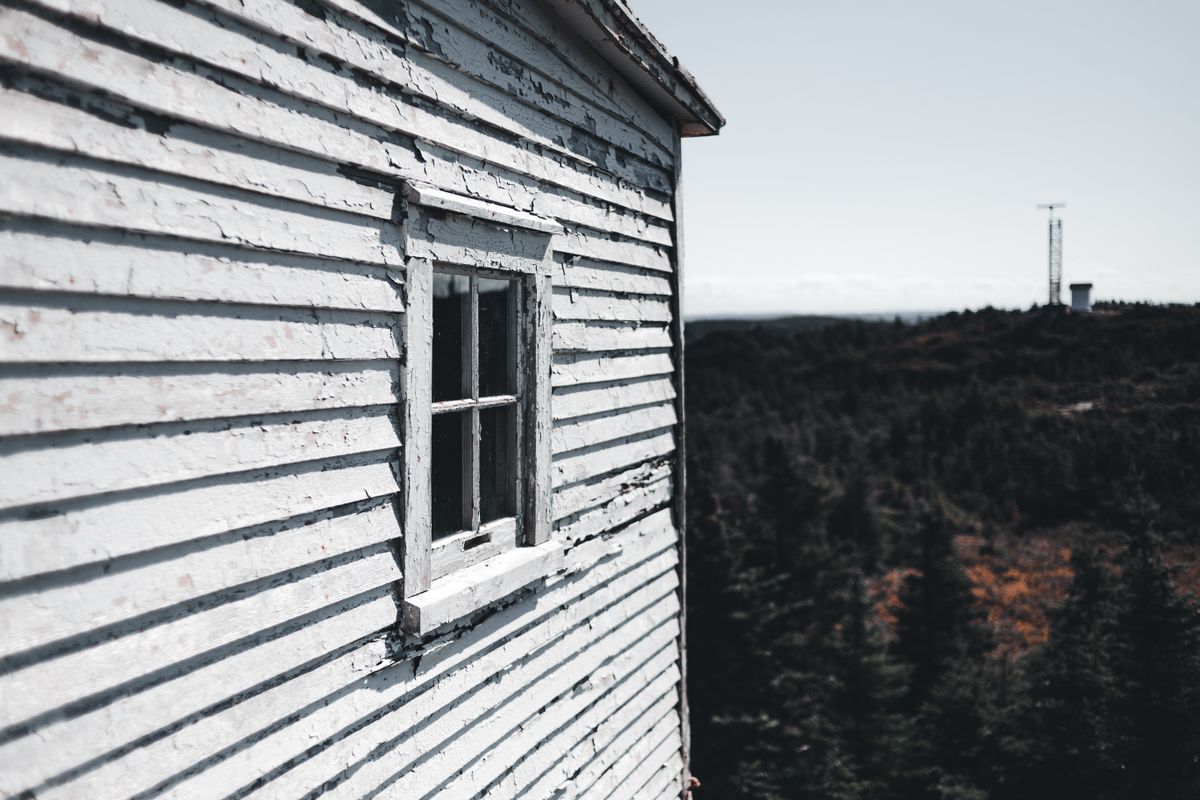
Paint is the cheapest part of a paint job. Almost the entire spread between a low bid and a real one is prep — how much gets washed, scraped, sanded, filled, primed, and re-caulked before the first finish coat, and whether anyone came back for a second one. The low bid isn't lying to you about the paint. It's quietly leaving out the four days that make the paint last, which is why it fails on the sunny wall in year three and the whole thing gets paid for twice.
“Prep as needed” is the phrase to watch. It means the prep is whatever's left after the day runs out.
Four things you can check
Everything in this band is verifiable in about a minute, which is more than most painting websites can say. The bracketed slots are waiting on the owner — send them over and they go live.
[NEIGHBOURHOOD + YEAR] — ask the owner which job to featureYears on Denver houses
How long this business has painted in this metro, under this name. Not "years of combined experience" — the actual number.
EPA Lead-Safe certified
The firm certification number for pre-1978 work, printed so you can look the firm up on EPA's own search before we start.
What's warranted, in writing
What's covered, for how long, and what voids it — on the quote, in plain words, before you sign anything.
The products, by name
Primer, caulk, and topcoat named on the estimate with their coat counts, so you can price-check the spec instead of trusting the word "premium".
This part is a demo. Everything else is your site.
Where we work
Based in Denver, working across the metro and the near Front Range. Don't see your town? Call and ask — we go further for whole-exterior and multi-building work than for a single room.
Denver · Aurora · Lakewood · Littleton · Englewood · Centennial · Highlands Ranch · Arvada · Wheat Ridge · Westminster · Thornton · Northglenn · Commerce City · Golden · Edgewater · Glendale · Greenwood Village · Lone Tree · Broomfield · Parker
These have to match your Google Business Profile character for character — send us what it says and we'll mirror it.
Questions we get weekly
How often does a Denver house actually need repainting?
Most Denver houses land somewhere between five and ten years, and the spread is almost entirely about sun. South and west walls give up first because they take the most UV, so it is normal for those two elevations to need attention a couple of years before the north side does. We would rather repaint two walls at year six than the whole house at year four because the first failure went unaddressed.
Why does paint fail faster here than it did where I moved from?
Thinner atmosphere. The EPA calculates UV intensity as rising about six percent per kilometre of elevation, and Denver sits about 1.6 kilometres above sea level. That extra UV breaks down binder and pigment, which is what fading and chalking actually are. It is why product selection and film thickness matter more here than they do at sea level.
My house was built before 1978. Does that change anything?
Yes, and it is federal, not optional. The EPA Lead Renovation, Repair and Painting Rule covers any work that disturbs painted surfaces in housing built before 1978, and the firm doing it has to be EPA lead-safe certified and use certified renovators. Scraping and sanding old siding is exactly the kind of work it covers. Ask any painter for their firm certification number and look it up before you let them start.
What does an exterior repaint cost?
It moves with the surface, not the square footage alone. Stucco, lap siding, and cedar shingles all take different prep, and how much failed caulk, bare wood, and cracked stucco we find sets more of the number than the paint does. We measure, write the price down, and hand it to you before anything gets opened.
How long will my house be a job site?
A typical single-family exterior runs three to five working days once we start, and interiors usually go a room or two per day. Weather moves exterior dates in Denver and we would rather move a day than paint a surface that is too hot or about to get hailed on. You get told the day before, not the morning of.
Do we need to move out, and what happens to our furniture?
Almost nobody moves out. For interiors we move furniture to the middle of the room and cover it, or into the next room if we're doing ceilings, and everything goes back where it was at the end of the day. Modern low-VOC interior paint has very little smell and what there is clears in a few hours with the windows cracked, so most families sleep in the house every night of the job. If somebody is pregnant, has asthma, or you have birds, tell us and we'll sequence the rooms so they're never sleeping next to fresh paint.
Do you paint the trim and fascia, or just the walls?
Both, and the quote says which. Fascia, soffit, window trim, garage doors, and railings are where Denver sun and freeze-thaw do their worst work, and skipping them is how a repaint starts looking tired in three years. If something needs replacing rather than painting we tell you that before we quote it.
What if the prep uncovers something worse than expected?
You get a photo and a number before we carry on. Rotten trim under intact paint and stucco cracks that only open up under a wash are the two we find most. Nothing extra gets done, and nothing extra gets billed, until you have said yes to a written change.